
Keep your safety systems accurate after windshield work, collisions, or suspension changes—mobile or in-shop.
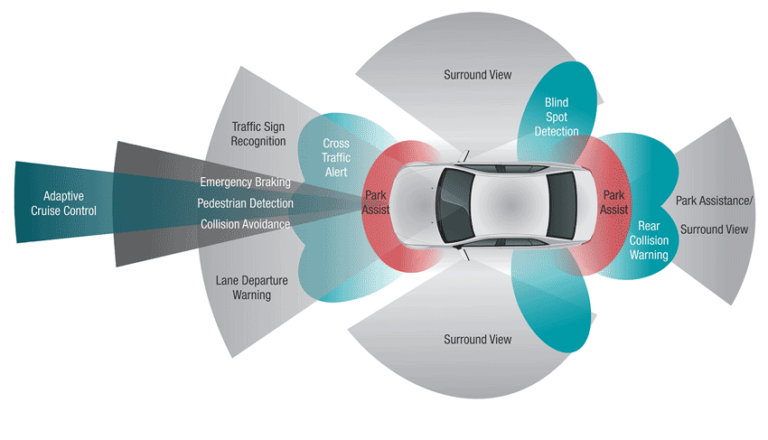
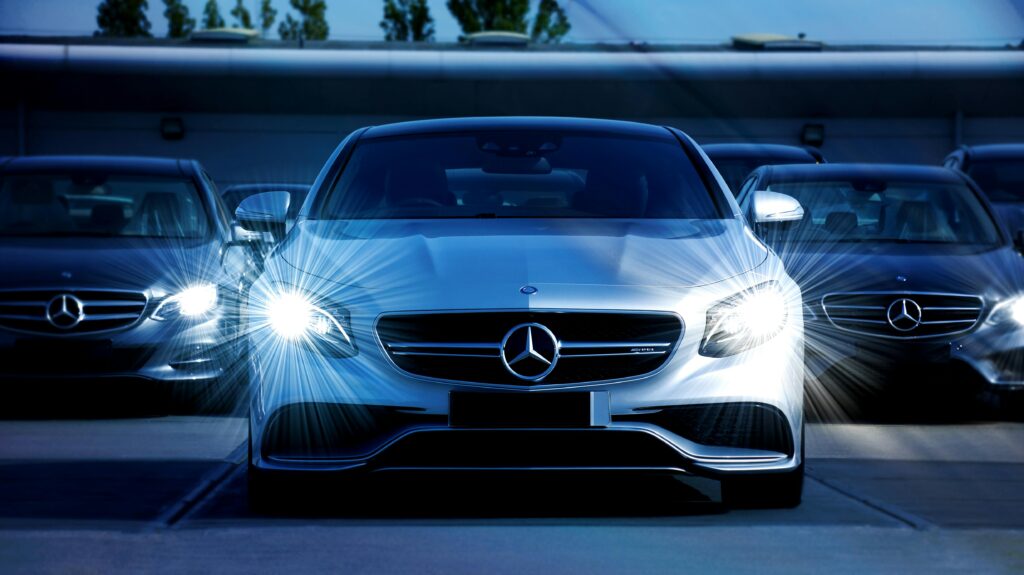
ADAS cameras and sensors (lane keeping, adaptive cruise, forward collision warning, AEB) depend on millimeter-level alignment. After a windshield replacement or even minor repairs, calibration is what restores that accuracy so the systems perform as designed. Studies show even small camera misalignments can affect performance, and industry standards require proper calibration on ADAS-equipped vehicles.
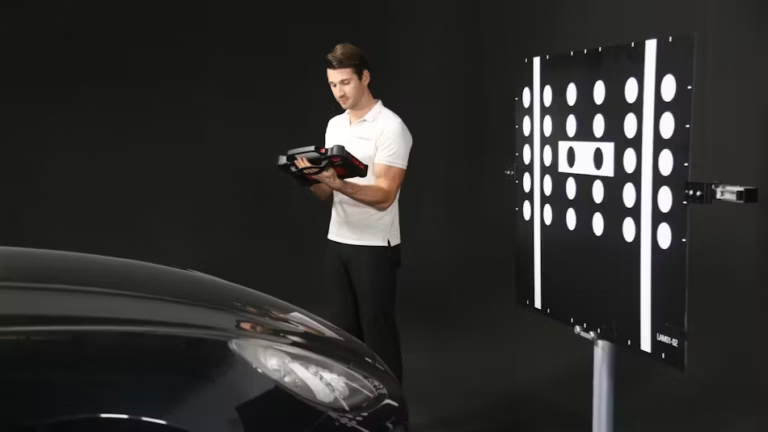
Performed in-shop or mobile using targets and level surfaces.
Performed on the road using a scan tool and defined speeds/conditions.
Some models require both; we handle start-to-finish and provide the report.
Most static calibrations are done in-shop on a level, controlled surface using precision targets at exact distances and heights. Our bay removes variables like floor slope, lighting glare, wind, and traffic—locking in the camera’s pitch, roll, and yaw to factory spec and producing clean documentation for insurance and fleets.
We route you in-shop when:
OEM procedure specifies a controlled indoor environment
The vehicle needs multi-target setups or dual calibration
Space/level requirements can’t be met at your location
Weather could compromise accuracy (rain, wind, extreme temps)
When your site meets our setup standards, we can perform static calibration at your home, office, or fleet yard. You’ll get the same OEM-aligned process and documentation—without the trip.
Minimum on-site requirements:
Level, hard surface large enough for target distance (typically 10–20 ft ahead of vehicle)
Clear, straight approach centered to the car (no curbs, drains, slopes, or speed bumps within the setup zone)
Consistent lighting (no harsh glare/shadows on the target; garage or shaded area preferred)
Clean windshield & camera lens; front emblem/bumper unobstructed
Stable conditions (no heavy wind/rain; safe ambient temps for equipment)
We’ll confirm mobile eligibility at booking; if conditions change day-of, we’ll complete calibration in-shop.
♦ Park on a flat, paved surface with ~20 ft open space directly in front
♦ Remove roof racks/attachments that could cast shadows into the camera’s view
♦ Ensure good overhead lighting or shade (no direct mid-day glare on targets)
♦ Keep the windshield interior/exterior clean near the camera area
♦ Have the keys and vehicle accessible for pre-scan/post-scan
If any item isn’t possible, we’ll schedule you in-shop to guarantee accuracy.
We work with all major insurance providers and follow AGSC-aligned procedures. Every calibration includes documentation and our Lifetime Workmanship Warranty on labor.
A: On most modern vehicles, yes. Camera/sensor positions change when glass is replaced, so calibration restores OEM-spec accuracy.
A: Plan on ~20–60 minutes depending on static/dynamic requirements, vehicle model, and road/test conditions.
A: Features like lane-keep or AEB may under- or over-react. Research shows even small misalignments impact performance.
A: Many policies do when calibration is part of a covered glass repair—your documentation makes approval easier.
A: We follow the vehicle’s OEM/AGSC-aligned procedure; some models require dual.
Same/next-day windshield camera calibration for late-model vehicles across Central Texas. Fleets welcome.